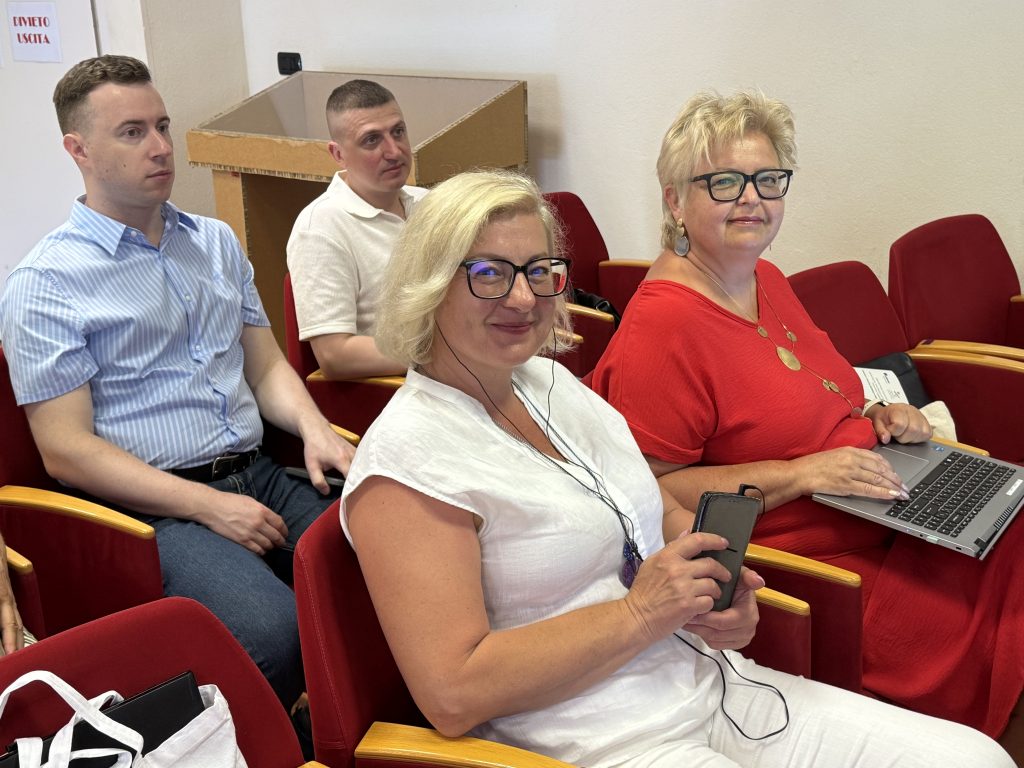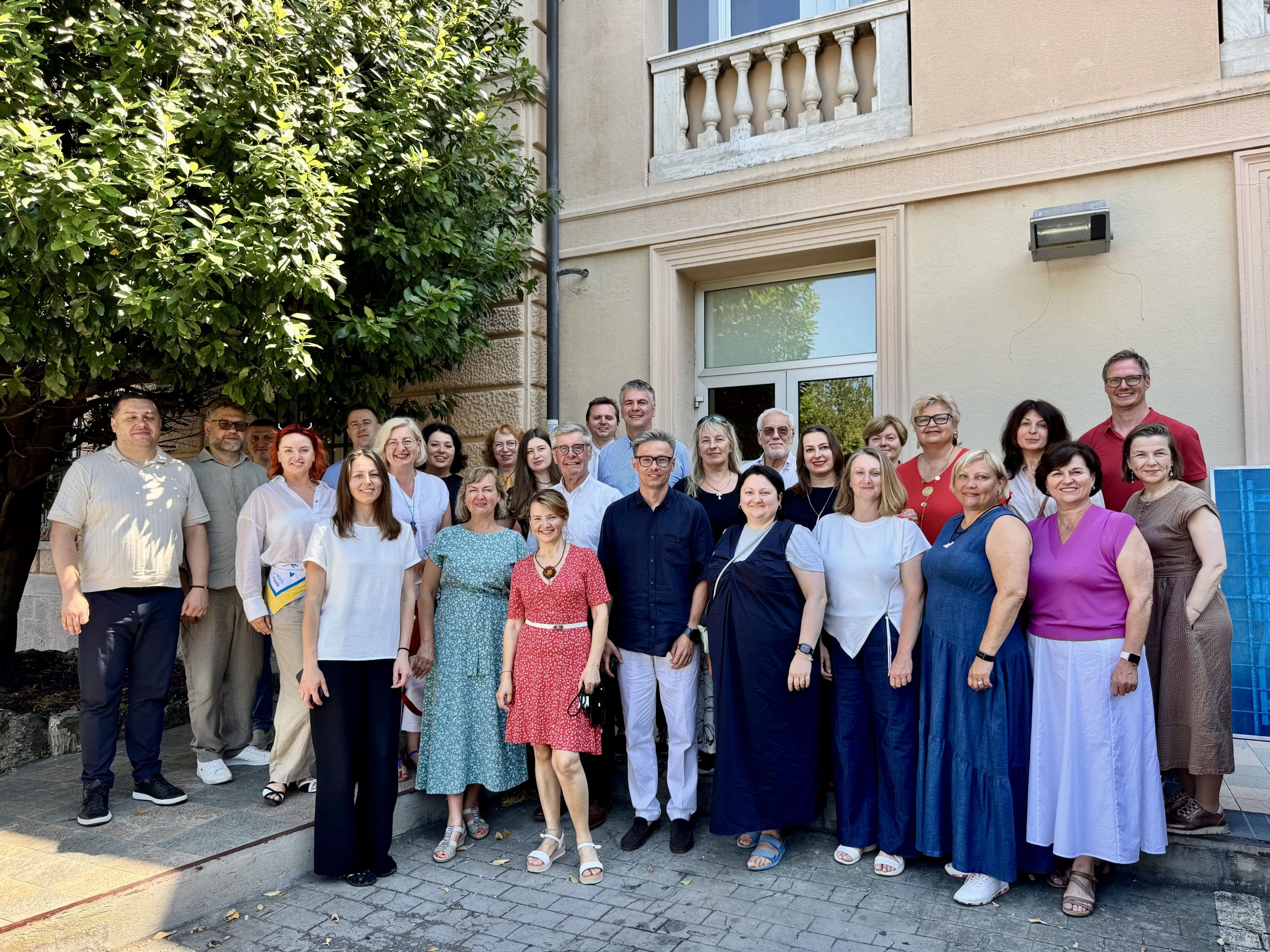
On 9–10 July 2026, the University of Genoa hosted the coordination meeting of the consortium of the international project “Universities–Communities: Strengthening Cooperation” (UNICOM), implemented with the support of the European Union’s Erasmus+ Capacity Building in Higher Education programme.
The meeting brought together representatives of Ukrainian and European universities, civil society organisations, and other partner institutions. Participants reviewed the achievements of the project’s main activities, assessed the results obtained, discussed the operation of UNICOM Centres established at Ukrainian universities, and identified priorities for the final stage of implementation. Particular attention was devoted to the development of the Roadmap for the Third Mission of Universities and the National Methodology for Assessing the Third Mission of Ukrainian Higher Education Institutions.
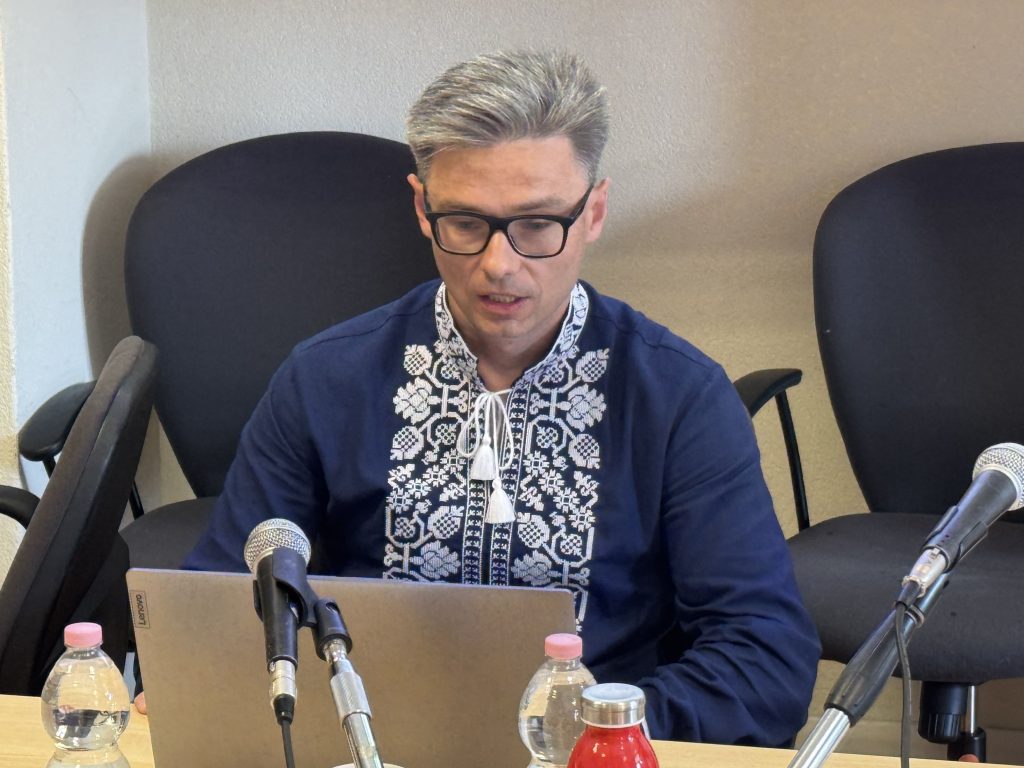
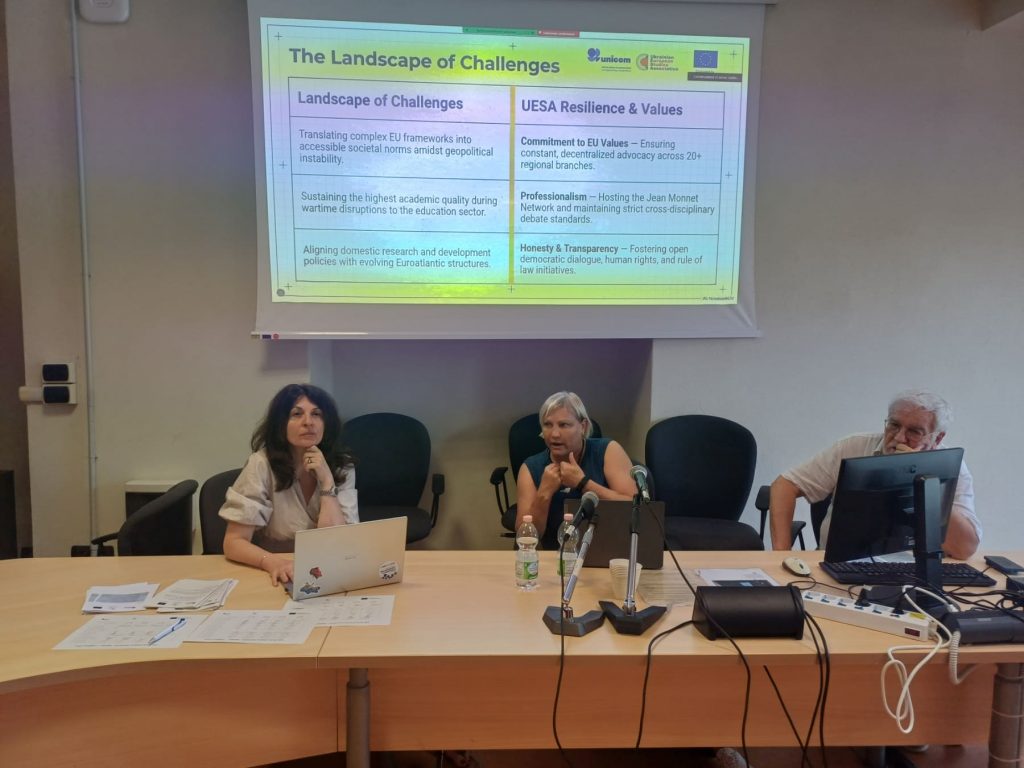
The meeting was opened by Guido Amoretti from the University of Genoa. Project Coordinator Diana Spulber presented the consortium’s key achievements, the current implementation status, and the next steps. In her presentation, she focused on progress towards the project’s objectives, the preparation of policy recommendations, strategic priorities, sustainability measures, and the future use of the UNICOM results.
According to Diana Spulber, the final stage of the project should focus not only on summarising the work completed but, above all, on embedding its outcomes into the everyday activities of universities:
“Our task is to ensure that the models, centres, and tools created within the project continue to operate beyond the project’s funding period, supporting sustainable cooperation between universities and communities.”
One of the central topics of the meeting was the presentation of the results of Work Package 3, dedicated to the development and piloting of university–community cooperation models. Within this work package, partners explored how universities can become open, reliable, and valuable partners for communities during wartime, recovery, and broader societal transformation. University–community cooperation was highlighted as a key driver of social cohesion, resilience, sustainable development, and prosperity in Ukraine.
Within the project, Ukrainian universities expanded Open University initiatives, organised public lectures, training sessions, and practical activities for community members, engaged students in solving real local challenges, and introduced volunteering models. The UNICOM Centres became the organisational platform connecting university expertise with the concrete needs of local communities.
Presenting the results of this work, Olena Melnyk emphasised that the project’s main achievement was not simply the number of activities implemented:
“The key achievement is not a list of events but a coherent chain of evidence: institutional regulations, agreed work plans, implemented pilot initiatives, and outputs that can be reused by other universities.”
As a result, the project succeeded in moving from isolated community initiatives to systematic and institutionally embedded cooperation. Universities developed or strengthened internal regulations on community engagement, established annual activity plans for their UNICOM Centres, and implemented pilot initiatives tailored to regional needs.
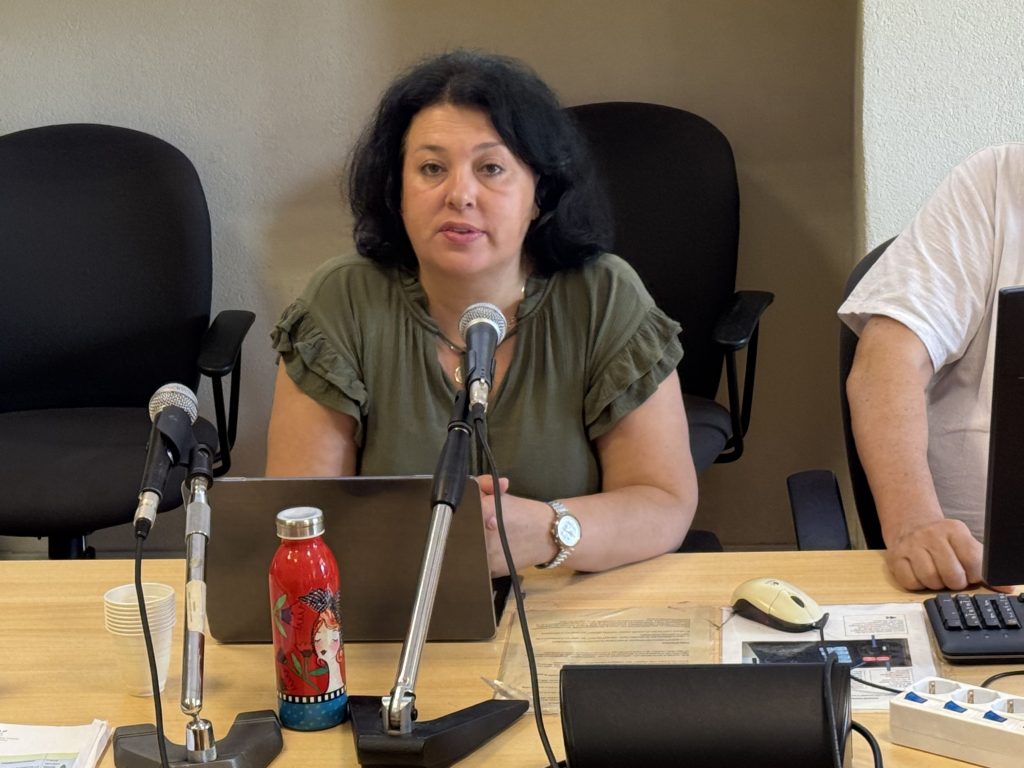
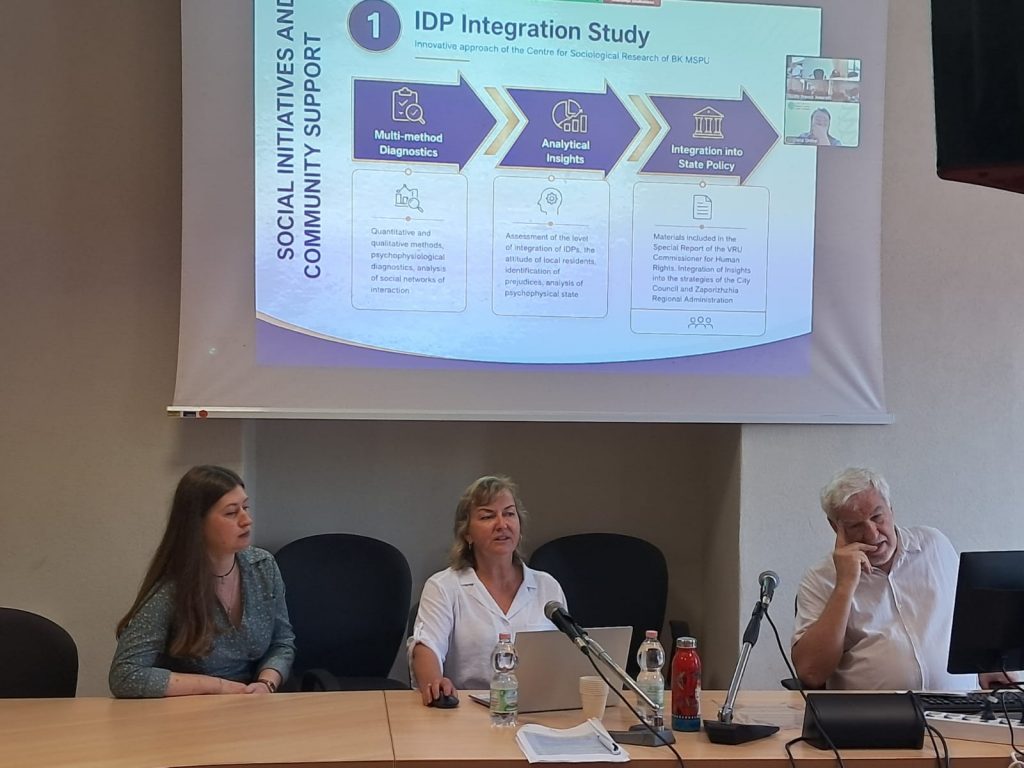
An important part of the programme was dedicated to presentations by Ukrainian universities and civil society organisations. Partners shared their current practices of community engagement, cooperation with public authorities, NGOs, young people, and other stakeholders. Participants also discussed the challenges and opportunities for implementing the Third Mission at the local level, particularly under martial law, in the context of displaced universities, and while supporting communities affected by the war. Presentations from the meeting are available via the link.
During the discussions, participants stressed that the strength of the UNICOM network lies in combining a common model for UNICOM Centres with the unique regional profile of each university. Partner institutions focus on different areas, including social resilience, public health, rehabilitation, digital transformation, green recovery, rural development, cybersecurity, the rule of law, and support for veterans, displaced persons, and frontline communities.
A separate session focused on the future development of UNICOM Centres. Representatives of partner universities presented the structure of their centres, their role in strengthening university–community cooperation, current activities, and institutional experiences.
During the strategic roundtable, participants discussed governance models for the UNICOM Centres, their institutional integration into university structures, and long-term sustainability strategies. Particular attention was paid to ensuring that the centres continue their activities after the project ends, preserving the partnerships established and embedding community engagement into the long-term strategies of higher education institutions.
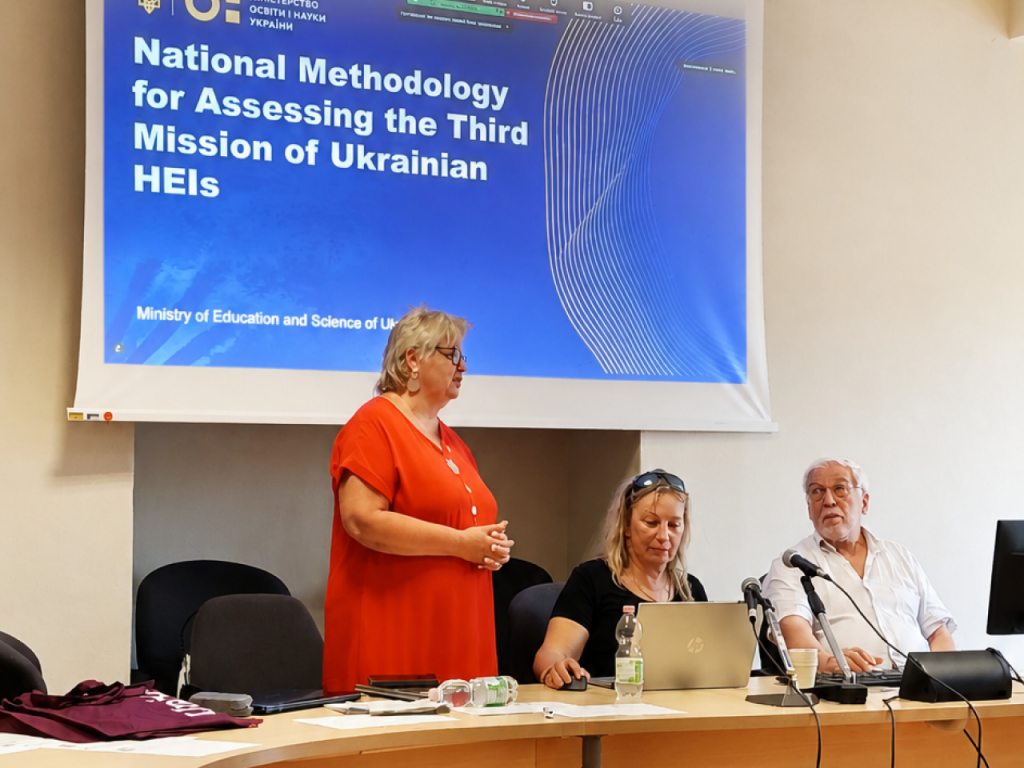
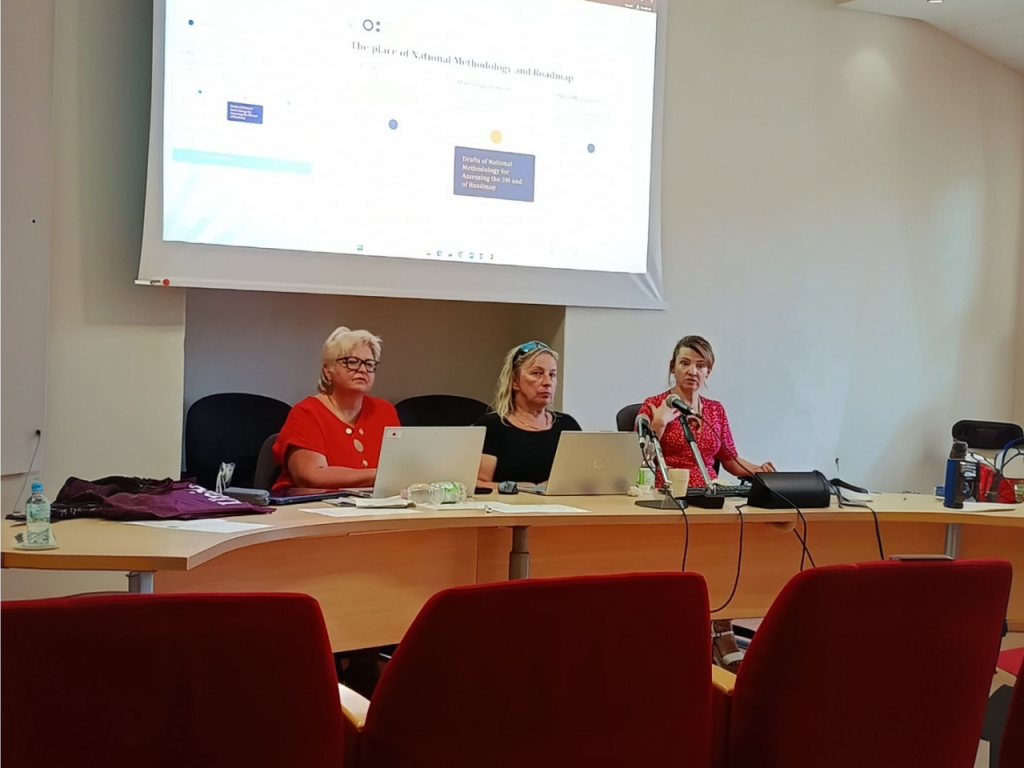
A key component of the meeting was the continued work on the National Methodology for Assessing the Third Mission of Ukrainian Higher Education Institutions. Partners discussed the structure of the methodology, possible assessment areas, and a system of indicators that will make it possible to evaluate universities’ contribution to society, communities, regional development, and the country as a whole.
To further support this work, a dedicated meeting was held with the Vice-Rector of the University of Genoa responsible for the Third Mission and members of the University of Genoa Third Mission Board. Italian colleagues presented the methodology, organisational framework, and assessment system used for evaluating the Third Mission in Italy. The coordination meeting programme also included a dedicated session on the University of Genoa’s experience in assessing the Third Mission, followed by a joint discussion of the methodology and its indicators with members of the university board.
Particular interest was generated by the experience of the University of Genoa, which, according to the information presented during the meeting, ranks second among Italian universities in the implementation of the Third Mission. Participants learned how the university collects and analyses data, measures the societal impact of different activities, evaluates cooperation with communities, and incorporates these results into institutional governance.
The experience shared by the Italian colleagues proved especially valuable for the Ukrainian partners currently developing the National Methodology for Assessing the Third Mission. The exchange enabled participants to compare Ukrainian proposals with established European approaches, refine the future system of indicators, and discuss how international experience can be adapted to the specific context of Ukraine’s higher education system, wartime conditions, and post-war recovery.
Summarising the meeting, Guido Amoretti underlined the importance of maintaining a shared vision among project partners regarding the future development of the project, the sustainability of the UNICOM Centres, and the practical application of the methodological and institutional solutions developed within the project. The final discussions focused on agreeing on future actions, finalising the assessment methodology, and setting priorities for the project’s concluding phase.
The coordination meeting in Genoa marked an important milestone in the final stage of the UNICOM project while opening new opportunities for future cooperation. It confirmed the partners’ commitment not only to completing the planned activities but also to ensuring the long-term use of the models, methodologies, and good practices developed during the project.
The outcomes of the meeting will contribute to strengthening the Third Mission of Ukrainian universities, promoting sustainable cooperation between higher education institutions and communities, and establishing a national framework for assessing universities’ societal contribution to resilience, recovery, and sustainable development in Ukraine.